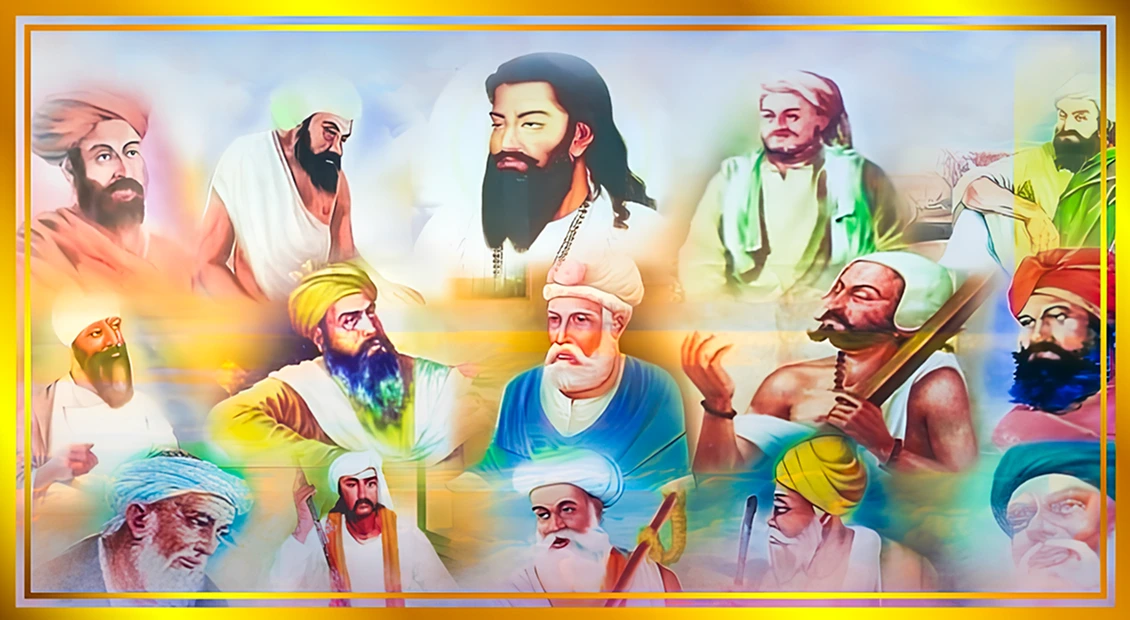
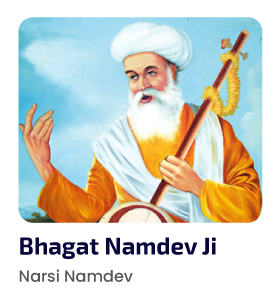
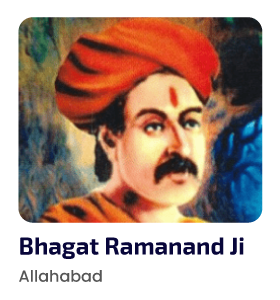
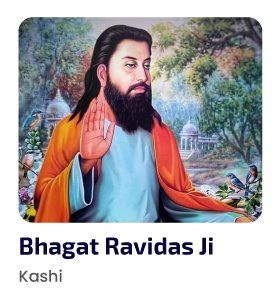
With the rise of the Bhakti movement (Bhakti Kaal), a wave of divine light swept across medieval India, giving birth to many enlightened souls. From the heartlands of Bengal emerged Bhagat Jaidev Ji; from Maharashtra, Shri Namdev Ji; and from the sacred soil of North India, saints like Bhagat Kabir Ji, Ramanand Ji, Parmanand Ji, and Bhagat Ravidas Ji inspired many souls through devotional songs sung from the depths of the hearts. Also among these luminous voices, was Baba Farid Ji of Punjab, whose sacred verses become a guiding light for many seekers.
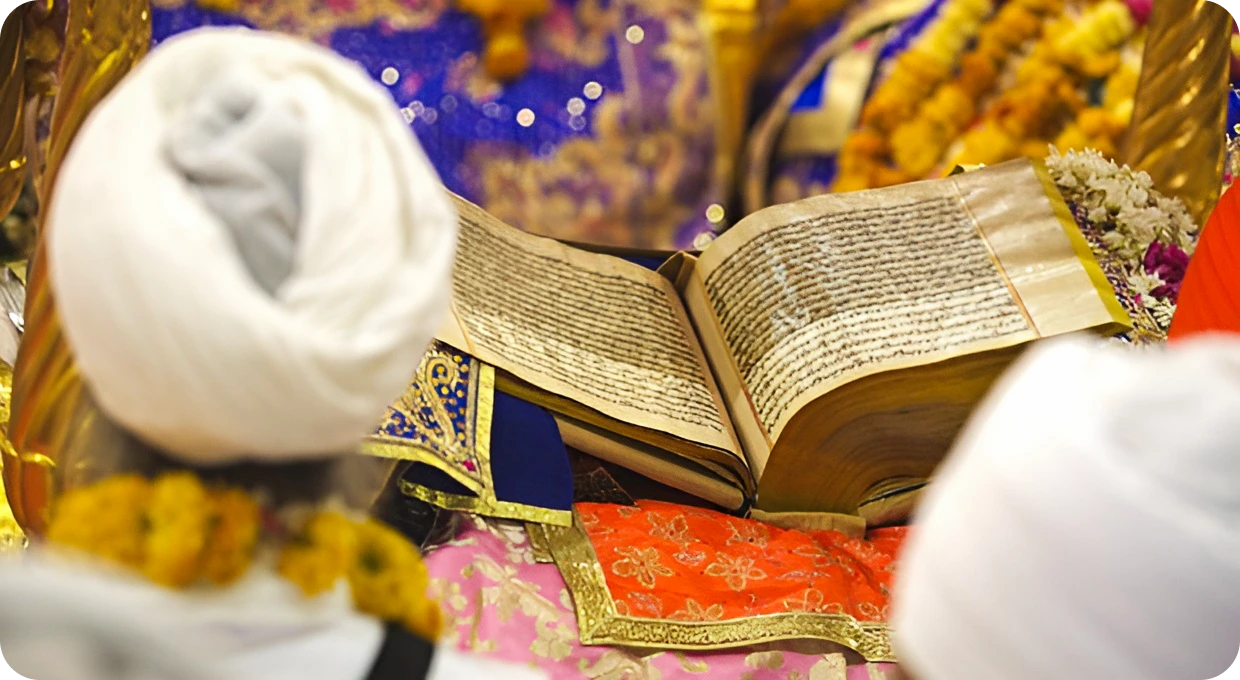
While the saints of the Bhakti movement came from different regions and spoke various languages, they shared a unified spirit. Their message transcended social divisions, offering instead a deeper connection with the Divine through their sacred verses—Bhagat Bani. These timeless pearls of wisdom were included in Sri Guru Granth Sahib Ji by the fifth Sikh Guru, Guru Arjan Dev Ji maharaj. Bhagat bani awaken the soul to the truth that God is not distant—but within.
Bhakti : The Path of Loving Devotion
Bhakti is the sacred flow of unconditional love from the soul to the Beloved Lord. In this devotion, the heart finds its true refuge—not in rituals or rewards, but in the sweet presence of God. For a true devotee, God is the only goal, the only support, and the only companion.
ਹਰਿ ਇਕਸੈ ਨਾਲਿ ਮੈ ਦੋਸਤੀ ਹਰਿ ਇਕਸੈ ਨਾਲਿ ਮੈ ਰੰਗੁ ॥
My friendship is with the One Lord alone; I am in love with the One Lord alone.
ਹਰਿ ਇਕੋ ਮੇਰਾ ਸਜਣੋ ਹਰਿ ਇਕਸੈ ਨਾਲਿ ਮੈ ਸੰਗੁ ॥
The Lord is my only friend; my companionship is with the One Lord alone.
The Essence of True Devotion
Saints explain that supreme Bhakti is selfless devotion—it expects nothing in return.
Sometimes the devotee becomes so deeply absorbed in the love of God that even liberation feels like a separation—because in that state of liberation, a devotee can't sing or listen to the glories of the beloved lord.
Such a devotee prays:
“O Lord, in liberation there is no nectar of Your divine stories.
Please bless me instead with ten thousand ears,
so I may always listen to your praises flowing from the depths of the hearts of Your saints.”
The Purity That Attracts the Divine
The Vedic scriptures descibes that a true devotee is naturally drawn to the praises & glories of God. As one becomes deeply immersed in listening to the praises of Hari, love for the Divine blossoms within. The heart becomes so pure and devoted, seeking nothing but to hear more of the Lord. Such selfless love touches God so deeply that lord is drawn to the devotee—like a bee to a fragrant flower.
“My mind is now pure like the Ganges,” says Kabeer, “and the Lord follows me, calling my name.”
The Purity That Attracts the Divine
This longing reaches its highest form in Kirtan bhakti —singing the name of God with love.
Kirtan, sung with love, effortlessly connects the soul with the Divine, purifies the heart, and washes away the burden of past karmas. As saints say, even the greatest sinner is purified by chanting the Name of Hari with devotion.
ਅਨਹਤ ਬਾਣੀ ਥਾਨੁ ਨਿਰਾਲਾ ॥
The unstruck melody of the Guru's Bani vibrates in that most special place.
ਤਾ ਕੀ ਧੁਨਿ ਮੋਹੇ ਗੋਪਾਲਾ ॥2॥
The Lord of the World is fascinated with this melody. ||2||
Bhagat Bani
Kirtan: The Highest Form of Bhakti
The saints speak of nine forms of Bhakti (devotion), including listening, remembering, worshiping, serving, and surrendering to God. While listening (Shravan) is important, it is more passive. Among them, Kirtan—singing God's praises—is considered the highest devotion.
Kirtan is described in the Vedic scriptures as Amrita—the nectar of immortality—because it carries a divine essence of bliss that lives on beyond death. Guru Nanak didn’t follow any tough rituals or extreme practices,Guru Nanak’s Path Was a Song. Guru Nanak sang the praises of the divine, with such love & depth that his Kirtan became a true form of Yoga—a union of soul and the divine. His voice carried the fragrance of divine love, and that was enough to awaken hearts!
ਜੋਗੁ ਬਨਿਆ ਤੇਰਾ ਕੀਰਤਨੁ ਗਾਈ ॥1॥
I attain Yoga, singing the Kirtan of Your Praises. ||1||
Bhagat Bani
The Bani of the Bhagats is enshrined in the Guru Granth Sahib within specific Raags. Many of these Bhagats expressed their deep devotion through singing hymns, often using simple instruments like the ektara, tambura, or khartal to convey their longing for the Divine. Gurbani is a living prayer—when we read or listen to it, we feel the presence of something higher. The lives of the Bhagats were filled with divine grace and miraculous moments that continue to inspire spiritual seekers on the path of love, surrender, and truth.